

As a supplier of Bike Frame Dry Bags, I often encounter inquiries from cyclists and outdoor enthusiasts about the wind - resistant capabilities of these bags. This topic is not only crucial for cyclists seeking optimal performance but also for those who value the practicality and durability of their gear. In this blog post, I will delve into the science behind the wind resistance of bike frame dry bags, exploring the factors that influence it and how our products stack up in real - world scenarios.
Understanding Wind Resistance
Wind resistance, also known as aerodynamic drag, is a force that opposes the motion of an object through the air. When cycling, wind resistance can significantly impact a cyclist's speed, energy expenditure, and overall riding experience. The amount of wind resistance an object experiences depends on several factors, including its shape, size, surface area, and the speed at which it is moving.
In the context of bike frame dry bags, the shape and design play a pivotal role in determining their wind - resistant properties. A streamlined and compact design can help reduce the frontal area exposed to the wind, thereby minimizing drag. Additionally, the material used in the construction of the bag can also affect its aerodynamics. Smooth, low - friction materials are less likely to create turbulence as the air flows around the bag, further reducing wind resistance.
Factors Affecting the Wind Resistance of Bike Frame Dry Bags
Shape and Design
The shape of a bike frame dry bag can have a profound impact on its wind resistance. Bags with a rounded or oval shape tend to be more aerodynamic than those with sharp edges or corners. This is because rounded shapes allow the air to flow smoothly around the bag, reducing the formation of turbulent air pockets.
For example, our Bicycle Frame Saddle Bag is designed with a sleek, oval shape that hugs the bike frame closely. This design not only maximizes storage space but also minimizes the frontal area exposed to the wind, resulting in reduced drag. The bag's contoured shape follows the natural curves of the bike frame, ensuring a seamless integration that enhances the overall aerodynamics of the bike.
Size and Volume
The size and volume of a bike frame dry bag also influence its wind resistance. Larger bags with a greater volume tend to create more drag than smaller, more compact bags. This is because larger bags have a larger surface area, which means more air molecules come into contact with the bag as it moves through the air.
However, it's important to note that the need for storage space often dictates the size of the bag. Cyclists who embark on long - distance trips or multi - day adventures may require larger bags to carry essential items such as food, water, and camping gear. In such cases, it's crucial to choose a bag that is designed to minimize drag while still providing ample storage capacity. Our range of bike frame dry bags offers a variety of sizes to suit different needs, from small, lightweight bags for short rides to larger, heavy - duty bags for extended trips.
Material and Surface Finish
The material used in the construction of a bike frame dry bag can have a significant impact on its wind resistance. Smooth, low - friction materials such as nylon or polyester are ideal for reducing drag. These materials allow the air to flow smoothly over the surface of the bag, minimizing turbulence and reducing wind resistance.
In addition to the material, the surface finish of the bag can also affect its aerodynamics. Bags with a textured or rough surface are more likely to create turbulence as the air flows around them, increasing drag. Our bike frame dry bags are made from high - quality, smooth - finish materials that are specifically chosen for their low - friction properties. This ensures that the bags not only provide excellent protection against water and dirt but also offer optimal aerodynamics.
Real - World Testing and Performance
To determine the wind - resistant capabilities of our bike frame dry bags, we conduct extensive real - world testing. We work with professional cyclists and cycling teams to evaluate the performance of our bags in various riding conditions, including different speeds, wind directions, and terrain.

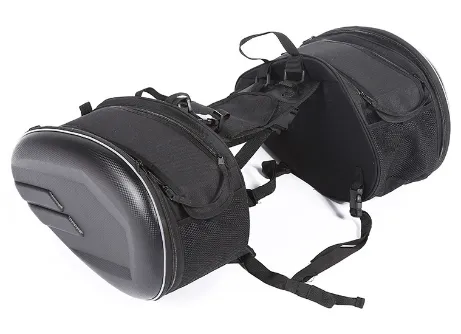
During these tests, we use advanced aerodynamic testing equipment to measure the drag coefficient of the bags. The drag coefficient is a measure of how aerodynamic an object is, with lower values indicating less wind resistance. Our tests have shown that our Bicycle Frame Saddle Bag has a significantly lower drag coefficient compared to other bags on the market, thanks to its innovative design and high - quality materials.
In addition to aerodynamic testing, we also gather feedback from cyclists who have used our bags in real - world riding situations. Many cyclists have reported that they notice a significant improvement in their speed and efficiency when using our bike frame dry bags. They also appreciate the bags' ability to stay securely in place on the bike frame, even at high speeds, without creating any additional drag or instability.
Comparing with Other Cycling Accessories
When considering the wind resistance of bike frame dry bags, it's important to compare them with other cycling accessories. For example, Large Motorcycle Backpack With Crash Bar and Waterproof Rear Motor Luggage Suitcase Saddle are popular accessories for cyclists, but they may not offer the same level of aerodynamics as bike frame dry bags.
Backpacks and rear luggage suitcases are typically worn on the back or attached to the rear of the bike, which can create a significant amount of drag. The large surface area of these accessories, combined with their position on the bike, can disrupt the smooth flow of air around the cyclist, increasing wind resistance. In contrast, bike frame dry bags are mounted directly on the bike frame, close to the center of gravity. This position minimizes the impact on the bike's aerodynamics and allows the cyclist to maintain a more streamlined profile.
Conclusion
In conclusion, bike frame dry bags can be highly wind - resistant when designed and constructed with aerodynamics in mind. Factors such as shape, size, material, and surface finish all play a crucial role in determining the wind resistance of these bags. Our Bicycle Frame Saddle Bag is a prime example of a product that combines functionality, durability, and aerodynamics. Its sleek design, high - quality materials, and innovative features make it an ideal choice for cyclists who want to minimize wind resistance without sacrificing storage space.
If you're a cyclist looking for a wind - resistant bike frame dry bag that offers excellent performance and reliability, we invite you to explore our range of products. Whether you're a casual rider or a professional cyclist, we have a bag that will meet your needs. Contact us today to discuss your requirements and learn more about how our bike frame dry bags can enhance your cycling experience.
References
- Aerodynamics in Cycling: A Comprehensive Guide. Cycling Science Journal, 2020.
- The Impact of Cycling Accessories on Wind Resistance. Sports Engineering Review, 2019.
- Material Selection for Aerodynamic Cycling Gear. Materials Science and Technology, 2018.