

As a supplier of cooler dry bags, I often encounter various inquiries about the potential uses of our products. One question that has come up frequently is whether a cooler dry bag can be used for storing pet food. In this blog post, I'll explore this topic in detail, considering the features of cooler dry bags and the requirements for pet food storage.
Features of Cooler Dry Bags
Cooler dry bags are designed with several key features that make them suitable for a variety of storage needs. First and foremost, they are highly waterproof. This is achieved through the use of high - quality, durable materials such as thick PVC or TPU laminates, which prevent water from seeping in even when the bag is submerged for a short period. This waterproof feature is essential for protecting the contents from moisture, which can cause spoilage, mold growth, and other issues.
Secondly, cooler dry bags typically have excellent insulation properties. They are often lined with materials like foam or reflective insulation, which helps to maintain a stable temperature inside the bag. This is particularly useful for keeping food and beverages cool, but it can also have implications for pet food storage.
Another important feature is the airtight seal. Most cooler dry bags come with a roll - top closure system that creates an airtight and watertight seal when properly rolled and fastened. This seal not only keeps water out but also helps to keep air and pests away from the contents of the bag.
Requirements for Pet Food Storage
Pet food, whether it's dry kibble, wet canned food, or semi - moist treats, has specific storage requirements. Dry pet food, for example, needs to be kept in a cool, dry place to maintain its freshness and nutritional value. Exposure to moisture can cause the kibble to become stale, develop mold, or attract insects. High temperatures can also accelerate the oxidation of fats in the food, leading to a rancid smell and a decrease in nutritional quality.
Wet pet food, on the other hand, is more perishable. Once opened, it should be refrigerated and consumed within a few days to prevent spoilage. Even unopened cans can be affected by extreme temperatures, which can cause the food inside to break down and lose its flavor and nutritional content.
Can a Cooler Dry Bag be Used for Storing Pet Food?
The answer is yes, a cooler dry bag can be a viable option for storing pet food, but with some considerations.
For Dry Pet Food
The waterproof and airtight features of a cooler dry bag make it an excellent choice for protecting dry pet food from moisture and pests. The airtight seal prevents air from entering the bag, which helps to preserve the freshness of the kibble. The insulation can also help to keep the food at a more stable temperature, especially in hot or humid environments.
For example, if you live in an area with high humidity, storing dry pet food in a cooler dry bag can prevent the kibble from absorbing moisture and becoming soggy. Similarly, if you have an outdoor storage area for pet food, such as a shed or garage, the waterproof nature of the bag can protect it from rain or leaks.
However, it's important to note that cooler dry bags are not designed to be long - term storage solutions for dry pet food. The insulation is mainly for short - term temperature control, and over time, the food may still be affected by ambient temperatures. It's also a good idea to transfer the pet food from its original packaging to the dry bag to ensure a better seal.
For Wet Pet Food
Storing unopened cans of wet pet food in a cooler dry bag can be a good way to protect them from damage and temperature fluctuations. The waterproof feature can prevent the cans from rusting if they come into contact with water, and the insulation can help to keep the food at a more stable temperature.
Once the can is opened, you can use the cooler dry bag to store the remaining wet food, especially if you don't have immediate access to a refrigerator. However, it's important to transfer the food to an airtight container first and then place it in the cooler dry bag. This will help to maintain the freshness of the food and prevent it from spoiling too quickly.
Other Considerations
When using a cooler dry bag to store pet food, there are a few other things to keep in mind.
First, make sure to clean the bag regularly. Pet food can leave behind crumbs and residue, which can attract pests or cause odors. Use a mild soap and water to clean the inside of the bag, and let it dry completely before using it again.
Second, consider the size of the bag. Choose a bag that is large enough to hold the amount of pet food you need to store, but not too large that it takes up unnecessary space.
Finally, be aware of the weight capacity of the bag. Overloading the bag can cause the seams to tear or the closure to fail, which can compromise the waterproof and airtight features.
Our Cooler Dry Bag Products
At our company, we offer a wide range of cooler dry bags that are suitable for storing pet food. For those who love beach outings and want to bring their pet's food along, our Stylish Dry Bag Tote For Beach is a great option. It has a large capacity and a stylish design, making it perfect for both pet food storage and other beach essentials.
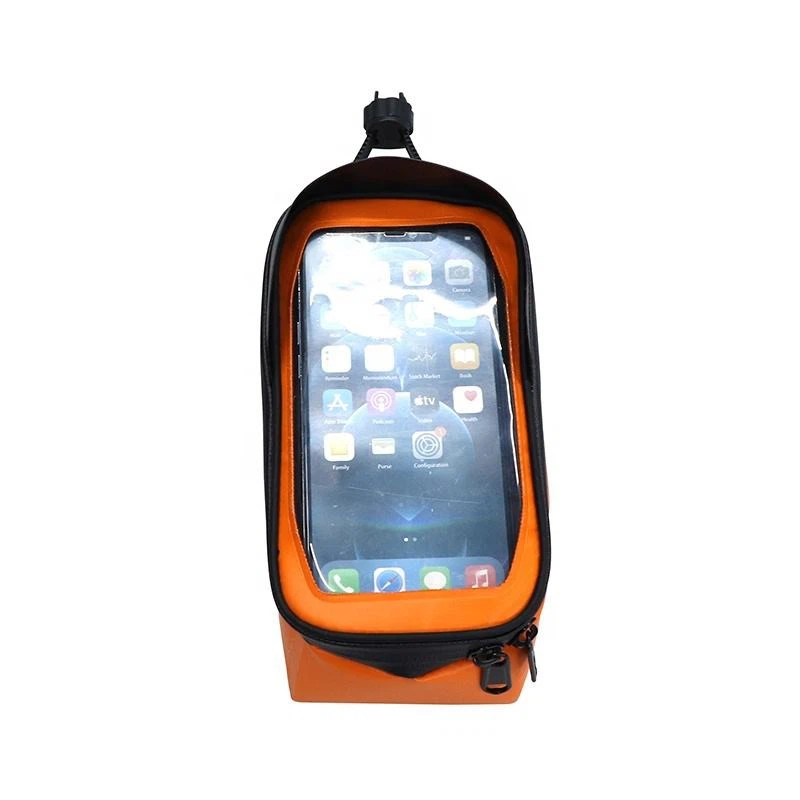
If you're a cyclist and want to carry your pet's food with you on your rides, our Bicycle Stand Waterproof Phone Bag and Bicycle Shock - absorbing Bracket Pipe Bag are ideal choices. They are designed to be attached to your bicycle and can keep your pet's food dry and protected during your rides.
Conclusion
In conclusion, a cooler dry bag can be a useful tool for storing pet food, thanks to its waterproof, airtight, and insulating features. Whether you're dealing with dry kibble or wet canned food, a cooler dry bag can help to protect the food from moisture, pests, and temperature fluctuations. However, it's important to use the bag correctly and be aware of its limitations.
If you're interested in purchasing our cooler dry bags for pet food storage or other purposes, we invite you to contact us for more information and to discuss your specific needs. Our team of experts is always happy to assist you in finding the right product for your requirements.

References
- American Pet Products Association. (2023). Guidelines for Pet Food Storage.
- National Research Council. (2006). Nutrient Requirements of Dogs and Cats.