

When it comes to cycling, having a reliable seat pack bag can make a world of difference. As a trusted Bicycle Seat Pack Bag supplier, I understand the importance of not only choosing the right bag but also securing it properly. A well - secured seat pack bag ensures a smooth and worry - free ride, preventing any unwanted distractions or potential hazards on the road. In this blog, I'll share some essential tips on how to secure a bicycle seat pack bag properly.
Choose the Right Bag
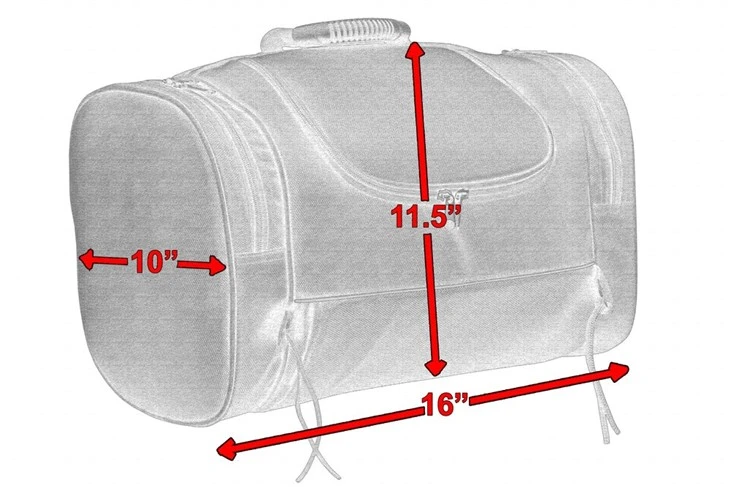
Before we dive into the securing process, it's crucial to select a seat pack bag that suits your needs. At our store, we offer a wide range of options, such as the Tools Tail Road Bicycle Saddle Bag. This bag is designed specifically for road cyclists, with a compact size that won't interfere with your pedaling motion and enough space to carry essential tools and small items.
If you're looking for a more durable and stylish option, the Motorcycle Bicycle Hard Saddle Leather Bag might be the perfect fit. Made from high - quality leather, it not only provides excellent protection for your belongings but also adds a touch of elegance to your bike.
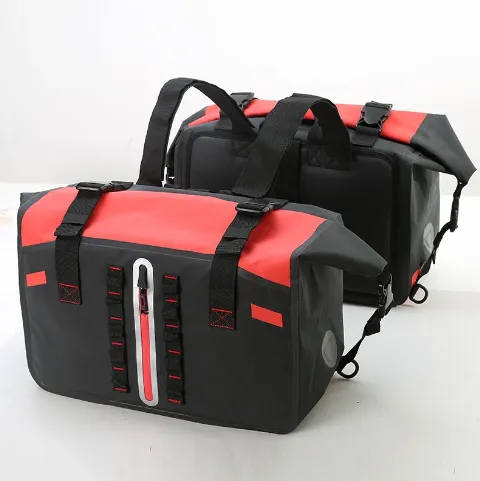
For those who often go on long - distance tours, the Tour Saddle Waterproof Tail Motorcycle Bag is an ideal choice. As the name suggests, it's waterproof, keeping your items dry even in the harshest weather conditions.
Prepare Your Bike and Bag
Once you've chosen the right seat pack bag, the next step is to prepare your bike and the bag for installation. First, clean the area under your saddle where the bag will be attached. Remove any dirt, grease, or debris to ensure a secure connection.
Inspect the bag for any damage or loose parts. Check the straps, buckles, and attachment points to make sure they are in good condition. If you find any issues, contact our customer service team, and we'll be happy to assist you.
Positioning the Bag
Proper positioning of the seat pack bag is key to its stability and functionality. Start by placing the bag under the saddle. The bag should be centered between the seat rails, with the top of the bag just below the base of the saddle. This positioning helps to distribute the weight evenly and prevents the bag from interfering with your legs while pedaling.
Make sure the bag is not too close to the rear wheel. If it's too close, there's a risk of the bag getting caught in the wheel, which can cause serious accidents. Leave at least a few inches of clearance between the bag and the wheel.
Securing with Straps
Most seat pack bags come with adjustable straps for attachment. The first set of straps is usually used to secure the bag to the seat rails. Wrap the straps around the seat rails and tighten them firmly. Make sure the bag is held in place securely, but don't over - tighten the straps as it may damage the seat rails or the bag.
The second set of straps is often used to attach the bag to the seat post. Wrap these straps around the seat post and adjust them so that the bag is stable and doesn't wobble. Again, ensure a snug fit without over - tightening.
Some bags also have additional straps or loops that can be used for extra security. You can use these to attach the bag to other parts of the bike, such as the chainstay, for added stability, especially if you're carrying a heavy load.
Balancing the Load
Properly balancing the load inside the seat pack bag is essential for a smooth ride. Place heavier items at the bottom of the bag, close to the center of gravity. This helps to keep the bag stable and reduces the risk of it swaying or shifting during the ride.
Avoid overloading the bag. Each seat pack bag has a recommended weight limit, and exceeding this limit can not only make it difficult to secure the bag properly but also put additional stress on your bike and affect your riding performance.
Testing the Security
After securing the bag, it's important to test its security before hitting the road. Gently shake the bike and the bag to see if there is any movement. If the bag wobbles or moves significantly, readjust the straps and tighten them further.
You can also give the bag a gentle tug to make sure it's firmly attached. If the bag comes loose or shows signs of instability, double - check the attachment points and make the necessary adjustments.
Regular Checks
Once you're on the road, it's a good idea to perform regular checks on the seat pack bag. Stop every few miles and quickly inspect the bag to make sure it's still secure. Check the straps for any signs of loosening and the bag for any movement.
If you notice any issues during your ride, stop immediately and readjust the bag. It's better to take a few minutes to ensure the bag is secure than to risk an accident due to a loose bag.
Conclusion
Securing a bicycle seat pack bag properly is a crucial aspect of cycling. By following these steps, you can ensure that your bag is stable, secure, and won't cause any problems during your ride. As a Bicycle Seat Pack Bag supplier, we're committed to providing high - quality products and helpful advice to our customers.
If you're interested in purchasing a seat pack bag or have any questions about our products, we invite you to contact us for procurement and further discussions. Our team of experts is ready to assist you in finding the perfect bag for your cycling needs.
References
- Cycling Safety Guidelines from the National Cycling Association
- Bicycle Equipment Manuals