

When it comes to choosing a sport backpack, one of the most crucial questions you might ask is, "How do I know if a sport backpack is too heavy for me?" As a sport backpack supplier, I've encountered this query numerous times from customers of all ages and fitness levels. In this blog, I'll share some insights and guidelines to help you determine whether a backpack is too heavy for you.
Understanding the Impact of a Heavy Backpack
Carrying a backpack that's too heavy can have several negative effects on your body. For starters, it can lead to poor posture. When you carry excessive weight on your back, your body naturally tries to compensate by leaning forward. This can cause strain on your neck, shoulders, and lower back muscles. Over time, chronic poor posture can result in more serious issues such as back pain, spinal misalignment, and even nerve damage.
Moreover, a heavy backpack can also affect your balance and gait. You may find yourself walking differently to accommodate the extra weight, which can increase your risk of tripping and falling. This is especially dangerous if you're engaging in sports activities where quick movements and good balance are essential.
Factors to Consider When Assessing Backpack Weight
Body Weight and Strength
Your body weight and strength play a significant role in determining how much weight you can comfortably carry. As a general rule of thumb, you should aim to keep the weight of your backpack below 10 - 15% of your body weight. For example, if you weigh 60 kilograms, your backpack should ideally weigh no more than 6 - 9 kilograms. However, this is just a rough estimate, and your individual strength and fitness level can also influence how much weight you can handle.
If you're someone who regularly engages in strength training or has a high level of physical fitness, you may be able to carry a slightly heavier backpack. On the other hand, if you're new to carrying backpacks or have a pre - existing back or shoulder condition, you should err on the side of caution and keep the weight as low as possible.
Duration of Use
The length of time you'll be carrying the backpack is another important factor. If you're only going to be carrying it for a short period, say 15 - 20 minutes, you may be able to tolerate a slightly heavier load. However, if you'll be carrying it for several hours, such as during a long - distance hike or a full day of school, it's crucial to keep the weight down. Prolonged carrying of a heavy backpack can cause fatigue and increase the risk of injury.
Type of Activity
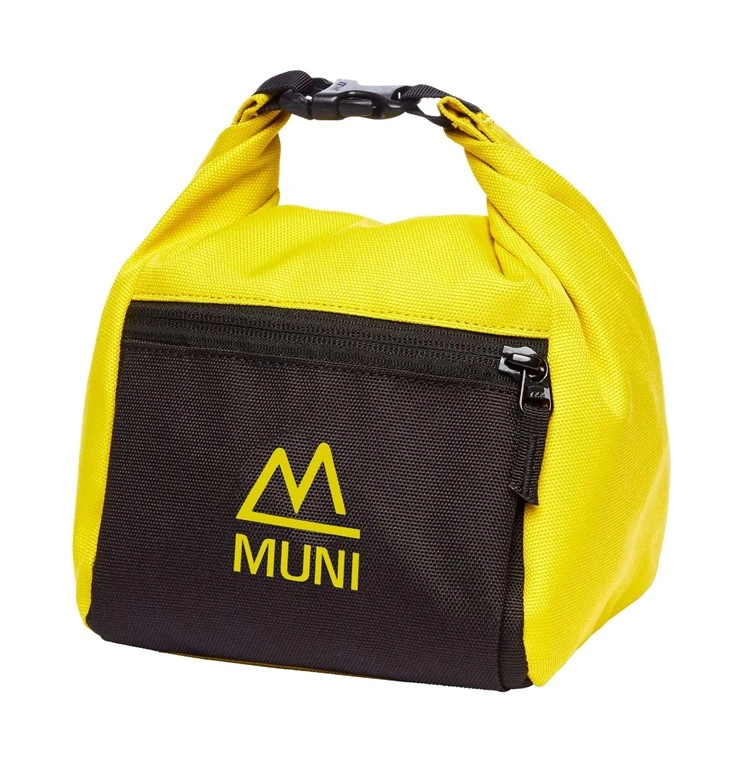
The type of sport or activity you're participating in also affects how much weight you can carry. For example, if you're going rock climbing, you need to be able to move freely and have good balance. A heavy backpack can restrict your movement and make it more difficult to perform climbs safely. In this case, it's essential to choose a lightweight backpack that only contains the necessary items. You can check out our Corduroy Children's Rock Climbing Chalk Bag, Climbing Sports Chalk Bag, and Kid Climbing Chalk Bag for lightweight and functional options suitable for climbing.
On the other hand, if you're going on a camping trip, you may need to carry more equipment, such as a tent, sleeping bag, and cooking supplies. While you still need to be mindful of the weight, you may have a bit more leeway as long as you distribute the weight evenly in the backpack.
Signs That a Backpack Is Too Heavy
Physical Discomfort
One of the most obvious signs that a backpack is too heavy is physical discomfort. If you start to feel pain in your neck, shoulders, or back while carrying the backpack, it's a clear indication that the weight is too much for you. You may also notice that your muscles feel tense or fatigued, and you may have difficulty moving your arms or shoulders freely.
Difficulty Walking or Moving
If you find that the backpack is affecting your ability to walk or move normally, it's too heavy. You may notice that you're walking with a hunched posture, taking shorter steps, or having trouble maintaining your balance. This is a sign that your body is struggling to cope with the extra weight.
Numbness or Tingling
Numbness or tingling in your arms, hands, or legs can also be a sign of a heavy backpack. This can occur when the weight of the backpack puts pressure on your nerves, causing them to become compressed. If you experience any numbness or tingling, it's important to remove the backpack immediately and rest.
Tips for Choosing the Right Backpack Weight
Pack Smart
Before you start packing your backpack, make a list of the items you really need. Avoid packing unnecessary items that will only add weight. Consider the size and weight of each item and try to choose lightweight alternatives whenever possible. For example, instead of packing a heavy water bottle, you can use a collapsible one that takes up less space and weighs less when empty.
Distribute the Weight Evenly
Proper weight distribution is key to carrying a backpack comfortably. Place heavier items closer to your back and towards the bottom of the backpack. This helps to keep your center of gravity stable and reduces the strain on your back and shoulders. You can also use the backpack's compartments and straps to distribute the weight evenly across your body.
Try Before You Buy
If you're purchasing a new backpack, it's important to try it on and load it with the items you'll be carrying. Walk around the store for a few minutes to see how it feels on your back. Pay attention to any areas of discomfort or pressure points. If the backpack feels too heavy or uncomfortable, it's probably not the right one for you.
Conclusion
Determining whether a sport backpack is too heavy for you is a crucial step in ensuring your comfort and safety. By considering factors such as your body weight and strength, the duration of use, and the type of activity, you can make an informed decision about how much weight you can carry. Remember to look out for signs of physical discomfort, difficulty walking, or numbness and tingling, as these are clear indications that the backpack is too heavy.
As a sport backpack supplier, we're committed to providing high - quality backpacks that are both functional and comfortable. If you're in the market for a new sport backpack or have any questions about choosing the right one, we'd love to hear from you. Feel free to reach out to us for more information and to discuss your specific needs. We're here to help you find the perfect backpack for your next adventure.

References
- American Chiropractic Association. (n.d.). Backpack safety. Retrieved from [Website of ACA]
- Mayo Clinic. (n.d.). Backpack safety: Tips for carrying your load. Retrieved from [Website of Mayo Clinic]
- National Institute for Occupational Safety and Health. (n.d.). Musculoskeletal disorders and workplace factors. Retrieved from [Website of NIOSH]