

Hey there, fellow riders and saddle bag enthusiasts! As a supplier of all sorts of top - notch saddle bags, I've heard my fair share of concerns from customers about keeping their beloved bags scratch - free. It's a real pain when you spend good money on a quality saddle bag, only to see it getting all scuffed up after a few rides. So, I thought I'd share some tips on how you can prevent your saddle bag from getting scratched.
Choose the Right Material
First off, the material of your saddle bag plays a huge role in its scratch - resistance. When you're shopping for a new one, opt for tougher materials. For example, bags made from ballistic nylon are super durable. This stuff is designed to withstand a lot of wear and tear. It's thick and strong, so those little bumps and scrapes on the trail or in the garage aren't going to leave a mark easily.
Another great option is leather. Real leather may seem a bit fancy, but it ages gracefully and can resist scratches well if it's of good quality. It develops a nice patina over time, which actually adds to its charm. You can check out our Bicycle Frame Saddle Bag, which comes in various durable materials that are scratch - resistant.
Use Protective Covers
One of the simplest ways to prevent scratches is by using a protective cover. There are all sorts of covers available on the market. Some are made of clear plastic, which allows you to still see the design of your saddle bag while keeping it safe. Others are made of soft fabric, like neoprene. These are great because they not only protect against scratches but also add a bit of cushioning.
You can find custom - fit covers for your specific saddle bag model. They're easy to put on and take off, so you can use them whenever you're worried about your bag getting scratched. For instance, if you're storing your bike in a crowded area where the bag might rub against other objects, just slip on the cover. And if you're going on a particularly rough ride where branches or rocks might come into contact with the bag, the cover will be your bag's best friend.
Be Careful When Loading and Unloading
How you load and unload your saddle bag can also make a big difference. When you're putting items in the bag, make sure they don't have sharp edges. For example, if you're carrying tools, use a tool roll or a soft - sided case to keep them from scratching the inside of the bag.
When taking things out, be gentle. Don't just yank them out, as this can cause the bag to rub against the bike frame or other objects, leading to scratches. Take your time and be mindful of how you handle the bag.
Clean Your Bag Regularly
Keeping your saddle bag clean is not only good for its appearance but also helps prevent scratches. Dirt and grit can act like sandpaper, slowly wearing down the surface of the bag. So, make it a habit to clean your bag regularly.
Use a mild soap and a soft cloth or sponge. Gently wipe down the bag, paying special attention to the areas that are most likely to get dirty, like the bottom and the sides. Rinse it thoroughly and let it dry completely before using it again.
Store Your Bag Properly
Proper storage is key to preventing scratches. When you're not using your saddle bag, don't just toss it in a corner. Find a clean, dry place to store it. If possible, hang it up using the provided hooks or straps. This keeps it off the ground and away from things that could scratch it.
If you need to store it in a box or a closet, make sure there aren't any sharp objects nearby. You can also use a padded storage bag to give it an extra layer of protection.
Consider the Mounting
The way you mount your saddle bag can also impact its scratch - resistance. Make sure the mounting hardware is properly tightened. Loose hardware can cause the bag to move around while you're riding, which increases the chances of it rubbing against the bike frame or other parts.
Also, check the mounting points on your bike. Make sure they're smooth and free of any rough edges. If there are any sharp spots, you can use some tape or a small piece of rubber to cover them.
Maintenance
Regular maintenance is essential. Check your saddle bag for any signs of wear and tear, like loose stitches or small tears. If you notice any issues, fix them right away. A small tear can quickly turn into a bigger problem, and it can also make the bag more vulnerable to scratches.
You can use a leather conditioner on leather bags to keep the material soft and supple. This helps prevent cracking, which can also lead to scratches. For nylon bags, you can use a waterproofing spray to keep them in good condition.
Riding Environment
Think about where you're riding. If you're going on a trail with a lot of overgrown bushes or thick underbrush, be extra cautious. Try to avoid brushing against these plants as much as possible. The thorns and branches can easily scratch your saddle bag.
On the other hand, if you're riding in a city, be aware of your surroundings. Avoid parking your bike in areas where the bag might rub against walls, fences, or other bikes.
Additional Accessories
There are some additional accessories that can help protect your saddle bag. For example, you can add corner protectors. These are small, rubber or plastic pieces that you attach to the corners of the bag. They act as a buffer, absorbing the impact if the bag hits something.
You can also use a saddle bag liner. This not only protects the inside of the bag but also gives it an extra layer of protection on the outside.

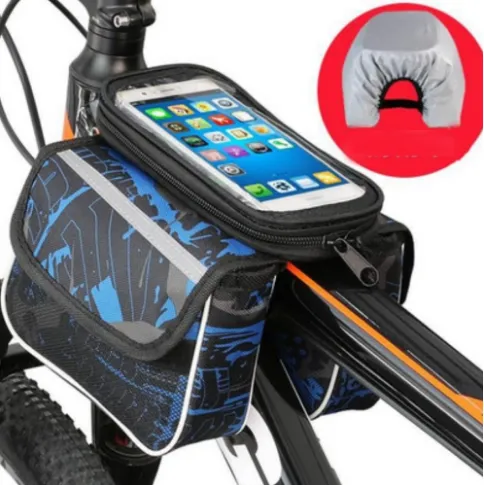
We have a wide range of saddle bags, including Saddlebag Panniers and Tour Saddle Waterproof Tail Motorcycle Bag, which are designed with scratch - prevention in mind.
If you're in the market for a new saddle bag or want to learn more about how to keep your existing one in top shape, feel free to reach out. We're always here to help you make the best choice and keep your saddle bag looking great for years to come. Whether you're a casual rider or a hardcore cyclist, we've got the products and the knowledge to meet your needs. So, don't hesitate to contact us for any purchasing or consultation needs.
References
- Cycling magazines and online forums
- Manufacturer's guides for saddle bags
- Personal experience as a saddle bag supplier